|
Getting your Trinity Audio player ready…
|
The developer City Realty will face neighbors on December 3 in a virtual, public meeting to discuss their proposal to cut parking spots from the Allston Square development.
The meeting comes after neighbors express frustration over the lack of transparency and community input over these changes, which would slash almost 75 percent of the proposed parking spots from 147 to 38. At first, the Boston Planning Department did not schedule a meeting for these changes, opting instead for a month-long public comment process that would have concluded on November 26.
“What pisses me off is that the city viewed this as a minor change and put it on a fast track and didn’t even want to have a public meeting. They just wanted to do a comment period and then move on,” says Anthony D’Isidoro, president of the Allston Civic Association (ACA) at its most recent meeting on Wednesday. “I don’t consider this a minor change. I consider this another major change.”
Elevating their concerns to a public meeting required a request from an elected official, according to D’Isidoro. With help from District 9 city councilor Elizabeth “Liz” Breadon, residents successfully pushed for a public meeting with City Realty and the Boston Planning Department; in addition, the public comment period was extended to December 5.
“We need to have a clear idea what the project proponent is thinking, and the community needs to hear from him, rather than making these decisions behind closed doors at the Planning Department,” says Breadon.
In a letter to the Planning Department, Jeffrey Drago, the legal counsel representing City Realty in the development, cites “high interest rates and elevated costs, especially for parking infrastructure” as the reasons behind the project change.
According to Allston resident Paul Creighton, the loss of these parking spots could pose a problem in a location that is undergoing rapid increase in density. Near the Allston Square development, which encompasses the area surrounding the intersection between Harvard and Cambridge Avenue, hundreds of residential and commercial units are being constructed at the same time.
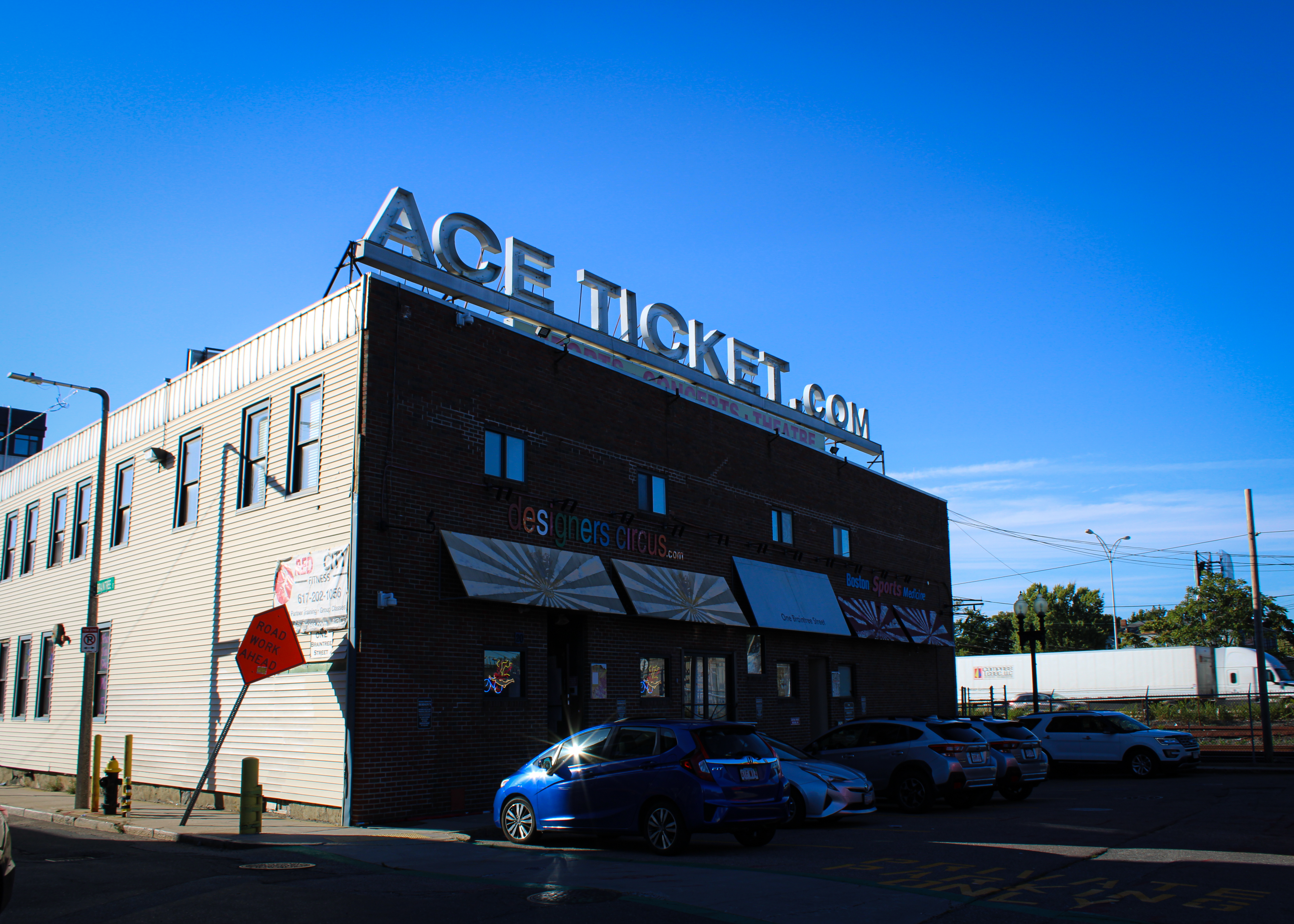
“If you go down there tonight, there are cars parked on top of each other. There’s no meters, there’s no permits, there’s no nothing,” says Creighton referring to Braintree Street, which is located adjacent to the proposed development. “Someone is going to wake up and there’s going to be hundreds of more apartments. If the plan goes ahead like it is, there won’t be parking spaces.”
This is the third change of project notice from City Realty since the Boston Planning and Development Association (BPDA) originally approved the development in 2019. The original plan would develop six buildings and add 244 homeownership units and 100 rental units along Highgate Street, Franklin Street and Braintree Street. Citing economic conditions, the second project notice changed all 244 homeownership units to rentals in 2020 during the COVID-19 pandemic.
Beyond parking, residents and neighborhood leaders say that the multiple project changes point to a larger issue of construction delays for a development, which was initially proposed in 2018.
Seven years later, the ground has yet to be broken. City Realty already received BPDA approval two times — once in 2019 and once in 2023. The developer also secured a building permit in 2022.
For Jo-Ann Barbour, executive director of Charlesview Inc, it’s not just about the buildings themselves. City Realty had estimated around 1.2 million dollars in community benefits, including murals, a consolidated bus stop and a Blue Bike Station.
While she understands the high cost of underground parking, Barbour takes issue with the delays in delivering the community benefits caused by the timing of these changes.
“We’re tired of waiting. We’re tired of the lack of transparency and communication, and if the BP[D]A is going to approve this, it better be where there’s a hard timeline for when construction starts because that’s when some of these benefits flow, and that’s what the community is waiting for,” says Barbour.
Representatives from City Realty did not respond immediately for a request for comment.
At the same ACA meeting, D’Isidoro pointed out that more delays have a harmful impact on local businesses, who could have received more customers as a result of the development.
“Enough is enough,” says D’Isidoro. “You see a lot of establishments, restaurants or what have you that were probably counting on all of this development to take place and have all these residents walking around and patronizing their establishments and everything. Well, of course, that’s not happening, and people are struggling in that area.”
For Breadon, the Allston Square development represents a major effort to revitalize an “eyesore” in Allston, referring to a cluster of brick buildings covered in graffiti in that area. “It’s sort of very disrespectful for developers to just sit on the project and don’t actually do it,” says Breadon. “Either do it or let somebody else do it.”
Ahead of the December 3 meeting, residents are demanding greater transparency and community input from City Realty and the city in decisions surrounding Allston Square.
“If you don’t have transparency, if you don’t have participation, if things aren’t done above board, I just don’t think that’s what’s going to result in the best product and plan for the citizens and the taxpayers,” says Creighton.
“There’s nothing wrong with putting fresh air and sunlight on these kinds of things. And you can’t have a little group of people calling the shots without anybody knowing what they’re doing?” ■